
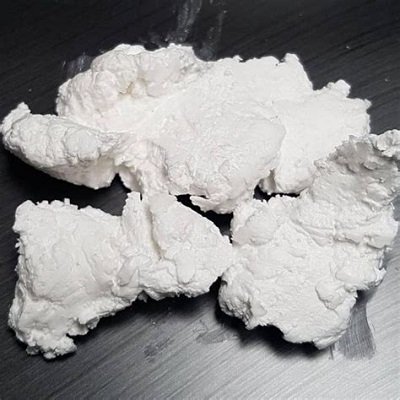
Fish Scale Cocaine


Price range: €50.00 through €13,500.00
Cocaine is a powerful stimulant that profoundly impacts the central nervous system. Its effects are characterized by a surge of dopamine in the brain, creating feelings of euphoria, increased energy, and heightened alertness. However, these positive effects are often accompanied by a range of negative consequences:
- Cardiovascular Effects: Cocaine use can increase heart rate, blood pressure, and body temperature. These effects can lead to complications such as heart attack, stroke, and cardiac arrest, particularly in individuals with pre-existing heart conditions.
- Neurological Effects: Cocaine can cause seizures, headaches, and tremors. Prolonged use can lead to addiction, psychosis, and cognitive impairment.
- Psychological Effects: Cocaine can induce feelings of excitement, confidence, and sociability. However, it can also lead to paranoia, anxiety, irritability, and aggression. The “crash” following the high can result in severe depression and fatigue.
- Physical Effects: The use of cocaine can result in nasal damage (from snorting), loss of appetite, weight loss, and sleep disturbances. Prolonged use can cause damage to multiple organ systems within the body.
Buy Fish Scale Cocaine Online – Order Fish Scale Cocaine Online France
Buy Fish Scale Cocaine which has emerged in the discourse surrounding illicit substances, invoking curiosity and concern due to the perceived purity and potency often associated with it. understanding of this specific type of cocaine, encompassing its purported features, methods of usage, potential effects, and the broader societal implications of its existence and use.
Understanding the Terminology
“Fish scale cocaine” is a colloquial term employed to describe cocaine, typically in powder form, characterized by its crystalline appearance. The description often alludes to its perceived high purity and the iridescent, almost shimmering quality of the crystals, reminiscent of fish scales. While the term itself doesn’t designate an independently classifiable form of cocaine within scientific or regulatory frameworks, it is valuable in establishing consumer perception. The term’s widespread use demonstrates the importance placed on physical characteristics as indicators of quality within the illicit drug market. It’s crucial to understand that the term is not a chemical classification, but rather a descriptor often created for marketing purposes to signal exceptional quality to potential users.
The Visual Characteristics
The distinguishing attribute of “fish scale cocaine” is its physical appearance. It is typically presented as a powder composed of translucent, crystalline flakes that reflect light in a way similar to the scales of a fish. These crystals are often relatively large and unadulterated by cutting agents, which are commonly introduced to bulk the product and increase profits for the dealer. This visual characteristic is often cited by users as evidence of superior quality and purity. However, a physical appearance alone is not a reliable indicator of purity. Laboratories are required to perform comprehensive testing to confirm the constituent elements present in a sample.
The Significance of Purity
The concept of purity is central to the perception of “fish scale cocaine.” Cocaine is often “cut” or diluted with various substances, including sugars (lactose or mannitol), local anesthetics (lidocaine), or other psychoactive drugs (amphetamines). The higher the purity level of the cocaine, the less adulteration is present, and therefore the more intense and potentially dangerous effects are experienced. “Fish scale cocaine” is marketed, sometimes deceptively, as a high-purity product. Those seeking the substance may do so under the assumption that they will experience a more potent high. The actual purity of “fish scale cocaine” can vary greatly, depending on factors such as its source, the dealers involved, and the specific batches.
Methods of Use
Cocaine can be ingested in various ways, each with its own method of absorption and its resultant effect.
- Insufflation (Snorting): This is perhaps the most common method of use, in which the cocaine powder is inhaled into the nasal passages. The drug is absorbed through the nasal mucous membranes, producing a rapid onset of effects. The intensity of the high depends on the dose, as well as the purity and method of delivery.
- Injection (Intravenous): Cocaine can be dissolved in water and injected intravenously, delivering the drug directly into the bloodstream with a near-instant effect. This method is associated with the highest risk of overdose and other adverse health consequences, given the rapid and concentrated exposure to the drug.
- Smoking (Freebasing or Crack): Traditionally, cocaine is prepared in its freebase form, which is a method of processing cocaine hydrochloride that removes the hydrochloric acid to create a smokable form of the drug. The freebase form is then smoked and produces a rapid, intense high, similar to that of intravenous injection. Crack cocaine, another smokable form of the drug, is chemically related and also delivers a fast and potent high.
The specific method of use impacts both the intensity and duration of the effects.
Pharmacological Effects: The Impact on the Body and Mind
Cocaine is a powerful stimulant that profoundly impacts the central nervous system. Its effects are characterized by a surge of dopamine in the brain, creating feelings of euphoria, increased energy, and heightened alertness. However, these positive effects are often accompanied by a range of negative consequences:
- Cardiovascular Effects: Cocaine use can increase heart rate, blood pressure, and body temperature. These effects can lead to complications such as heart attack, stroke, and cardiac arrest, particularly in individuals with pre-existing heart conditions.
- Neurological Effects: Cocaine can cause seizures, headaches, and tremors. Prolonged use can lead to addiction, psychosis, and cognitive impairment.
- Psychological Effects: Cocaine can induce feelings of excitement, confidence, and sociability. However, it can also lead to paranoia, anxiety, irritability, and aggression. The “crash” following the high can result in severe depression and fatigue.
- Physical Effects: The use of cocaine can result in nasal damage (from snorting), loss of appetite, weight loss, and sleep disturbances. Prolonged use can cause damage to multiple organ systems within the body.
The above effects can vary in intensity depending on the dose taken, the purity of the cocaine, as well as the user’s individual physiology, health status, and prior experience with the substance.
Risk of Overdose
Overdose of cocaine poses a significant and often life-threatening risk. The symptoms of an overdose include the following:
- Elevated body temperature
- Rapid heartbeat
- High blood pressure
- Seizures
- Respiratory distress
- Heart attack
- Stroke
- Unconsciousness
- Death
Overdose can occur even in individuals using cocaine for the first time. The risk is elevated when “fish scale cocaine” is used under the belief that it has a higher purity than it does. This can also occur when other substances, such as alcohol, are used in conjunction with cocaine.
Risk of Addiction
Cocaine is a highly addictive substance. Prolonged use can lead to the development of tolerance, in which increasingly higher doses are required to achieve the desired effect. Psychological, physiological, and behavioral symptoms of addiction can develop, making it difficult for the user to discontinue use. Symptoms of withdrawal, such as depression, fatigue, and cravings, can make it exceptionally difficult to quit.
The Role of Cutting Agents
As discussed, cocaine is frequently adulterated or “cut” with other substances to increase profits. Common cutting agents include:
- Local Anesthetics: Lidocaine and benzocaine are sometimes used to mimic the numbing effect of cocaine.
- Sugars: Substances such as lactose and mannitol Give the cocaine powder volume and mass.
- Other Stimulants: Amphetamines may be added to increase the stimulant effects or to alter the experience.
These cutting agents can pose serious health risks. For example, some may lead to allergic reactions or increase the risk of cardiovascular complications.
Harm Reduction Strategies
For individuals who use cocaine, adopting harm reduction strategies can help to mitigate some of the associated risks:
- Avoid mixing cocaine with other substances, including alcohol and other drugs.
- Start with a low dose and avoid frequent use.
- Never use alone. Have someone present who can provide help in the event of an overdose.
- Be aware of the risks associated with the specific method of use.
- Obtain information from reliable sources about the risks associated with cocaine use and addiction.
- Consider addiction treatment options, such as counseling, therapy, and medication.
- Access community resources and support groups.
The Importance of Seeking Professional Help
Cocaine addiction is a complex problem that often requires professional assistance. Treatment options include the following:
- Detoxification: This involves medically supervised withdrawal to manage the physical symptoms of withdrawal.
- Therapy: Therapies such as cognitive-behavioral therapy (CBT) and motivational interviewing can help individuals to address the psychological and behavioral aspects of addiction.
- Medication: There is no medication currently approved to treat cocaine addiction; however, certain medications can assist in managing withdrawal symptoms, addressing co-occurring mental health disorders, or reducing cravings.
- Support Groups: Support groups, such as Narcotics Anonymous, provide peer support and guidance.
100% Pure Cocaine For Sale – Fish Scale Coke
Very high-quality cocaine, usually right off the key and uncut. Doesn’t look like regular coke—it’s flaky instead of grainy, it’It doesn’tly instead of dull, and it’s slightly yellow-grey instead of being plain white. Good shit, since 1 gram = ~12 lines. Numbs all the way down and gives you a case of the chills. Fish Scale Cocaine
Cocaine, also known as coke, is a strong stimulant most frequently used as a recreational drug. It is commonly snorted, inhaled as smoke, or dissolved and injected into a vein. Mental effects may include loss of contact with reality, an intense feeling of happiness, or agitation
Buy 100% pure cocaine – Fish scale Coke
Very high-quality cocaine, usually right off the key and uncut. Doesn’t look like regular coke—it’s flaky instead of grainy, it’It doesn’tly instead of dull, and it’s slightly yellow-grey instead of being plain white. Good shit, since 1 gram = ~12 lines. Numbs all the way down and gives you a case of the chills. Fish Scale Cocaine
Fish scale cocaine cut is a very high-quality cocaine, usually right off the key and uncut. It doesn’t look like regular cocaine; it’s flaky instead of grainy, it’s sparkly instead of dull, and it’s slightly yellow-grey instead of being plain white. Fish Scale Cocaine
What causes fishscale coke addiction? Fish Scale Cocaine
Cocaine affects neurological systems in your brain. Fish scale coke use, especially repetitive use, can alter systems associated with pleasure, memory, and decision-making.
When someone is addicted, their ability to resist urges becomes impaired, making it harder to quit. All stimulants act to enhance the extracellular concentrations of dopamine, norepinephrine, and serotonin. Stimulant drugs can block the transport of these neurotransmitters.
Repeated exposure to fish scale cocaine results in neuroadaptation. This includes sensitization (increased drug response) and tolerance (decreased drug response). Physical tolerance to the effects of fish scale coke can occur after just a few uses. This results in needing more and more of the drug to get the same effect.
Peruvian fish scale coke, fish scale coke for sale, fish scale coke meaning.
Is it safe to use this drug with alcohol?
Cocaine and alcohol make for a dangerous duo that can sometimes be life-threatening. The combo leads to the production of a metabolite called cocaethylene, which is considerably stronger than cocaine or alcohol alone. It increases toxicity to the heart, liver, and other organs.
It raises the risk of the serious effects already associated with cocaine use, including heart problems and stroke. Mixing alcohol and cocaine has also been shown to increase cravings for each substance, leading to a higher risk of dependence.
| Quantity | 1g, 3.5g, 7g, 14g, 28g, 1kg |
|---|
4 reviews for Fish Scale Cocaine
Add a review
Related products

Cocaine Online France

Cocaine Online France

Cocaine Online France

Cocaine Online France

Cocaine Online France

Cocaine Online France

Cocaine Online France

Erling (verified owner) –
Hassle-free shopping experience.
Cordia (verified owner) –
Love the simple checkout process..
Barton (verified owner) –
Orders are always safe and private.
Leslie (verified owner) –
Love the clear product info.