
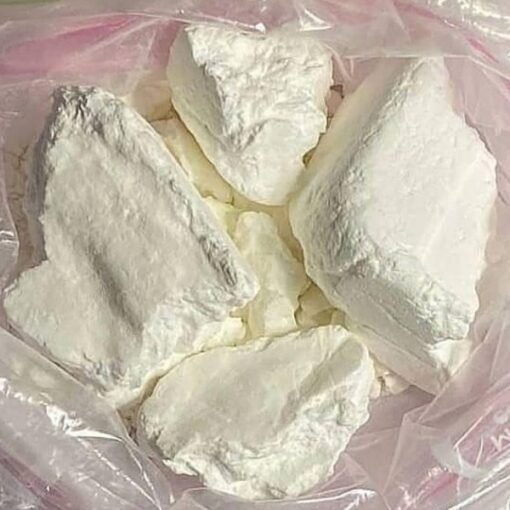
Mexican Cocaine Online


Price range: €50.00 through €13,500.00
The presence of these adulterants significantly increases the risks associated with cocaine use. An individual may not be aware of the exact composition of the substance they are consuming, leading to unpredictable and potentially deadly consequences for the user. As for the effects of cocaine itself, it is a potent stimulant that affects the central nervous system. It primarily blocks the reuptake of dopamine, serotonin, and norepinephrine, neurotransmitters that are intimately involved in regulating pleasure, mood, and overall function. This blockage leads to increased levels of these neurotransmitters in the synapses, which results in the following:
- Euphoria: Intense feelings of pleasure and well-being.
- Increased Energy and Alertness: A surge of energy, reduced fatigue, and heightened attentiveness.
- Increased Heart Rate and Blood Pressure: Cardiovascular effects that can be dangerous, especially for individuals with underlying health conditions.
- Suppressed Appetite: Appetite suppression, which is a common effect of the substance.
- Psychological Effects: Feelings of agitation, anxiety, paranoia, or psychosis, especially with excessive use.
Buy Mexican Cocaine Online – Mexican Cocaine.
Mexican Cocaine Online that represents a significant facet of the illicit drug trade. Its presence and impact are far-reaching, necessitating a comprehensive understanding of its origins, composition, methods of use, and associated risks.
Origins and Production
The origins of cocaine lie in the coca plant (Erythroxylum coca), a shrub native to the Andes region of South America. The leaves of this plant contain alkaloids, primarily cocaine, which possess potent stimulant properties. While the specific association with “Mexican cocaine” implies that the drug is, in some way, linked to Mexico, the reality is more nuanced. Mexico’s role in the cocaine trade is primarily as a significant transit point and processing hub, rather than a primary cultivator of coca.
The illicit manufacture of cocaine is a complex clandestine operation. The process begins with the coca leaf harvest, followed by extraction, and finally, transformation into the refined final product. The process is typically broken down into distinct stages.
The process of extraction involves soaking the coca leaves in a solvent—traditionally kerosene or gasoline—to extract the cocaine base. This paste is then treated with acidic components, like sulfuric acid, and sometimes other chemicals, transforming the cocaine base into a salt form called cocaine hydrochloride (HCl), which is water-soluble. The cocaine hydrochloride is filtered to remove impurities, dried, and then processed into the powdered form that is often associated with the street-level product.
A crucial factor contributing to the illicit drug trade is the demand created by consumerism and the potential high profits for manufacturers. Because of these factors, the global distribution and sales associated with this illicit market continue to thrive.
Composition and Drug Properties
The composition of “Mexican cocaine,” like any street-level drug, is variable and often unpredictable. The primary active ingredient, as mentioned earlier, is cocaine hydrochloride. However, the purity of the drug on the streets can vary drastically, meaning the percentage of pure cocaine can fluctuate, making it extremely dangerous. Dealers frequently “cut” or dilute the cocaine with other substances, known as adulterants, to increase their profit margins. Common adulterants found in cocaine include:
- Lidocaine and Benzocaine: Local anesthetics that mimic the numbing effect of cocaine, making users believe they are experiencing the drug’s intended effects.
- Levamisole: A deworming agent for livestock, this is sometimes used to increase the overall weight of the product but can have harmful effects, such as weakening the immune system.
- Fentanyl: A powerful synthetic opioid, sometimes, tragically, mixed with cocaine. This is incredibly dangerous because mixing cocaine with even a small amount of fentanyl can lead to accidental and fatal overdoses.
- Other Stimulants: Substances such as amphetamines or methamphetamines are sometimes added to increase the stimulant effects.
- Inert Substances: Substances such as baking soda, talcum powder, or sugar may also be added to dilute the drug.
The presence of these adulterants significantly increases the risks associated with cocaine use. An individual may not be aware of the exact composition of the substance they are consuming, leading to unpredictable and potentially deadly consequences for the user. As for the effects of cocaine itself, it is a potent stimulant that affects the central nervous system. It primarily blocks the reuptake of dopamine, serotonin, and norepinephrine, neurotransmitters that are intimately involved in regulating pleasure, mood, and overall function. This blockage leads to increased levels of these neurotransmitters in the synapses, which results in the following:
- Euphoria: Intense feelings of pleasure and well-being.
- Increased Energy and Alertness: A surge of energy, reduced fatigue, and heightened attentiveness.
- Increased Heart Rate and Blood Pressure: Cardiovascular effects that can be dangerous, especially for individuals with underlying health conditions.
- Suppressed Appetite: Appetite suppression, which is a common effect of the substance.
- Psychological Effects: Feelings of agitation, anxiety, paranoia, or psychosis, especially with excessive use.
Methods of Use
The primary methods of consuming cocaine include:
- Snorting: Involves inhaling the powdered cocaine through the nasal passages. This method allows for rapid absorption into the bloodstream through the nasal membranes.
- Smoking: Cocaine can be smoked, often in a form known as “crack cocaine.” Crack is a freebase form of cocaine that is processed with baking soda and water to produce rock crystals. This method provides an almost immediate, intense high due to the rapid absorption of the drug into the lungs.
- Injection: Cocaine can be dissolved in water and injected intravenously. This method delivers the drug directly into the bloodstream, producing a rapid and intense effect, with a high risk of overdose, as well as several health risks associated with needle use, such as the transmission of blood-borne diseases.
The specific method of use can influence the intensity and duration of the drug’s effects and the associated risks.
Short-Term Effects
The short-term effects of cocaine use can vary depending on the dosage, method of use, and the individual’s tolerance. Some of the immediate effects may include:
- Increased energy and alertness
- Euphoria and a sense of well-being
- Dilated pupils
- Increased heart rate and blood pressure
- Restlessness and anxiety
- Talkativeness
- Loss of appetite
- Nasal congestion and nosebleeds (with snorting)
The duration of these effects is generally short-lived, with the high typically lasting from minutes to an hour. Following the initial high, a “crash” can occur, resulting in the following:
- Fatigue and exhaustion
- Depression and irritability
- Intense cravings for the drug
- Increased anxiety or paranoia
These short-term effects can quickly lead to a cycle of dependence and abuse.
Long-Term Effects and Health Risks
Chronic cocaine use carries significant long-term health risks and can significantly impact various organ systems.
- Cardiovascular Problems: Including heart attack, stroke, irregular heart rhythms, and cardiovascular disease are among the most serious health consequences associated with cocaine use.
- Respiratory Issues: Snorting cocaine can damage the nasal passages and sinuses. Smoking cocaine can lead to lung damage and respiratory failure.
- Neurological Problems: Long-term use can damage the brain, leading to seizures, strokes, and cognitive impairments.
- Gastrointestinal Problems: Cocaine use can lead to stomach ulcers, perforations, and loss of blood flow to the intestines.
- Mental Health Problems: Chronic cocaine use is associated with a higher risk of depression, anxiety disorders, paranoia, and psychosis.
- Addiction: Cocaine is highly addictive, and chronic use can result in compulsive drug-seeking behavior and loss of control.
- Overdose: The risk of overdose is significant, especially with high doses or when combined with other drugs, particularly alcohol or opioids. Overdose can result in heart attack, stroke, respiratory failure, or death.
- Infections: Infections are a major risk, especially when injecting cocaine. Users are vulnerable to diseases such as HIV, hepatitis, and endocarditis.
Dependency, Withdrawal, and Addiction
Cocaine is a highly addictive drug. Regular use can lead to the development of a strong psychological and physiological dependence. When individuals stop using cocaine, they may experience withdrawal symptoms, which can be extremely challenging and uncomfortable. Some of the withdrawal symptoms include:
- Depression
- Anxiety
- Fatigue
- Intense cravings
- Agitation
- Changes in appetite
- Suicidal thoughts (in severe cases)
The severity and duration of withdrawal symptoms can vary depending on the individual’s level of use and their overall health. Substance use treatment can help manage withdrawal symptoms and increase the odds of long-term recovery.
Safety and Precautionary Measures
Complete abstinence from cocaine use is the only guaranteed way to avoid the associated risks. If you are considering use or are aware of someone who is, consider the following:
- Avoid all contact with cocaine. This is paramount. Understanding the dangers associated with the drug and all possible outcomes is essential.
- Inform yourself. Be aware of the signs of drug use and of the drug trade in general. Educating oneself about the dangers of cocaine and substances like it is crucial.
- Seek assistance: If you or someone you know is struggling with cocaine use, seek professional assistance. Doctors, counselors, and support groups can provide guidance and resources for recovery.
- Be aware of your surroundings: As a general precaution, avoid high-risk environments where drug use is prevalent.
- Be Vigilant: If you suspect an individual is using cocaine and you are having contact with them, it is important to take extra precaution. Avoid sharing utensils or any activity that may potentially come into contact with the subject’s bodily fluids.
Legal Implications
The possession, use, and distribution of cocaine are illegal under federal and state laws. Penalties can vary and may include imprisonment, fines, and a permanent criminal record. Individuals convicted of drug-related offenses may also face difficulty in securing employment, housing, and educational opportunities.
Order Cocaine Online, Cocaine for sale, Crack Cocaine
Note:: Our job is to get your package to you safely without any hassles.
Mailing Order Cocaine in France.
Mexican cocaine acts by inhibiting the reuptake of serotonin, norepinephrine, and dopamine. This results in greater concentrations of these three neurotransmitters in the brain. Buy Mexican Online It can easily cross the blood–brain barrier and may lead to the breakdown of the barrier. In 2013, 419 kilograms were produced legally. It is estimated that the illegal market for cocaine is 100 to US$500 billion each year. With further processing, crack cocaine can be produced from cocaine. Best cocaine online shop or Mexican cocaine online shop.
Mexican Cocaine Online – Buy Cocaine Online.
Between 14 and 21 million people use the drug each year. Order cocaine use is highest in North America, followed by Europe and South America. Between one and three percent of people in the developed world have used cocaine at some point in their life. In 2013, cocaine use directly resulted in 4,300 deaths, up from 2,400 in 1990.
Cocaine was first isolated from the leaves in 1860. Since 1961, the international Single Convention on Narcotic Drugs has required countries to make recreational use of cocaine a crime.
| Quantity | 1g, 3.5g, 7g, 14g, 28g, 1kg |
|---|
4 reviews for Mexican Cocaine Online
Add a review
Related products

Cocaine Online France

Cocaine Online France

Cocaine Online France

Cocaine Online France

Cocaine Online France

Cocaine Online France

Cocaine Online France

Idell (verified owner) –
My favorite for all party needs!
Josie (verified owner) –
Great for festival season.
Juston (verified owner) –
Definitely coming back for more!
Darren (verified owner) –
My favorite shop for party products.