
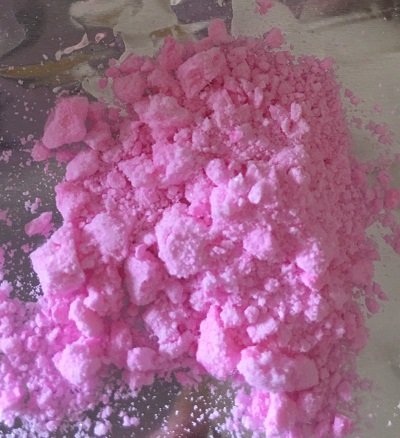
Pink Cocaine

Price range: €50.00 through €13,500.00
Origins and Production
- Pink cocaine is primarily produced in South American countries where coca plants are cultivated.
- The pink color may be a result of specific chemical processes or added substances during production or cutting.
- It is often distributed through illicit networks across various countries, including those in Europe such as France
“Pink cocaine” refers to a form of cocaine that has a distinctive pink coloration. This variant is often sought after due to its perceived higher purity and unique appearance. However, the pink color does not imply safety or reduced risks compared to traditional white cocaine.
Origins and Production
- Pink cocaine is primarily produced in South American countries where coca plants are cultivated.
- The pink color may be a result of specific chemical processes or added substances during production or cutting.
- It is often distributed through illicit networks across various countries, including those in Europe such as France.
Physical and Chemical Properties
- Appearance: Typically a fine crystalline powder or small granules with a pink hue.
- Purity Levels: Can vary significantly; some samples show higher purity, while others may contain dangerous additives.
- Cutting Agents: May include substances like local anesthetics, sugars, or dyes to alter appearance and volume.
How is cocaine used?
- Usually consumed by snorting (insufflation)
- Sometimes injected or smoked, though less common
- Effects are similar to traditional cocaine, including euphoria, increased energy, and heightened alertness
Effects on the Body and Mind
- Short-term effects: Increased heart rate, elevated blood pressure, heightened alertness, reduced appetite
- Long-term effects: Addiction, cardiovascular disease, mental health issues such as anxiety and paranoia
- Health risks: Overdose, respiratory issues, neurological damage
Legal Status in France
- Cocaine, including pink cocaine, is classified as an illegal substance under French law.
- Possession, sale, or trafficking can lead to severe legal penalties.
- France has programs aimed at drug prevention, treatment, and harm reduction.
Social and Psychological Impact
- Use of cocaine, including pink cocaine, can lead to social isolation, financial difficulties, and strained relationships.
- Addiction can impact mental health, requiring professional intervention and support.
Harm Reduction and Safety Tips
While abstinence is the safest choice, harm reduction strategies include the following:
- Avoiding mixing drugs and alcohol
- Using in a safe environment with trusted people
- Seeking medical help immediately if adverse effects occur
- Accessing professional support for addiction and recovery
Importance of Awareness and Education
- Understanding the risks associated with pink cocaine helps reduce harm.
- Educating youth and communities in France is key to prevention.
- Resources such as healthcare professionals, support groups, and hotlines are available for those affected.
Summary
Pink cocaine is a visually distinctive and potent form of cocaine that poses serious health and legal risks. Awareness, education, and support are crucial to addressing the challenges related to its use, especially within the French context.
| Quantity | 1g, 3.5g, 14g, 28g, 1kg |
|---|
6 reviews for Pink Cocaine
Add a review
Related products

Cocaine Online France

Cocaine Online France

Cocaine Online France

Cocaine Online France

Cocaine Online France

Cocaine Online France

Cocaine Online France

Mckenna (verified owner) –
Very satisfied with my purchase.
Louisa (verified owner) –
The products are always fresh.
Petra (verified owner) –
Always a fast checkout process.
Janelle (verified owner) –
Easy to navigate and secure checkout.
Antwan (verified owner) –
No headaches—just great service.
Delphine (verified owner) –
Always get what I want.